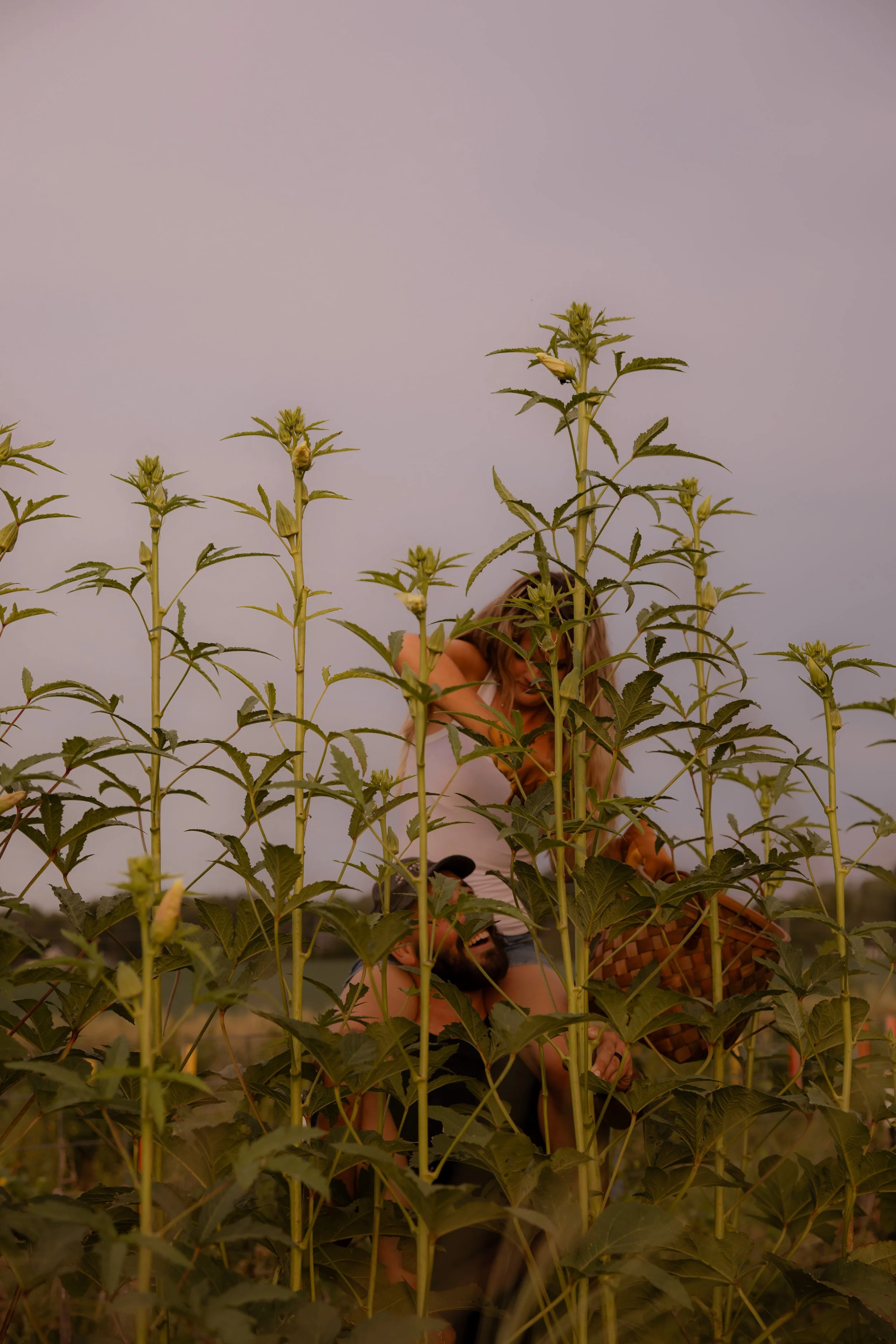
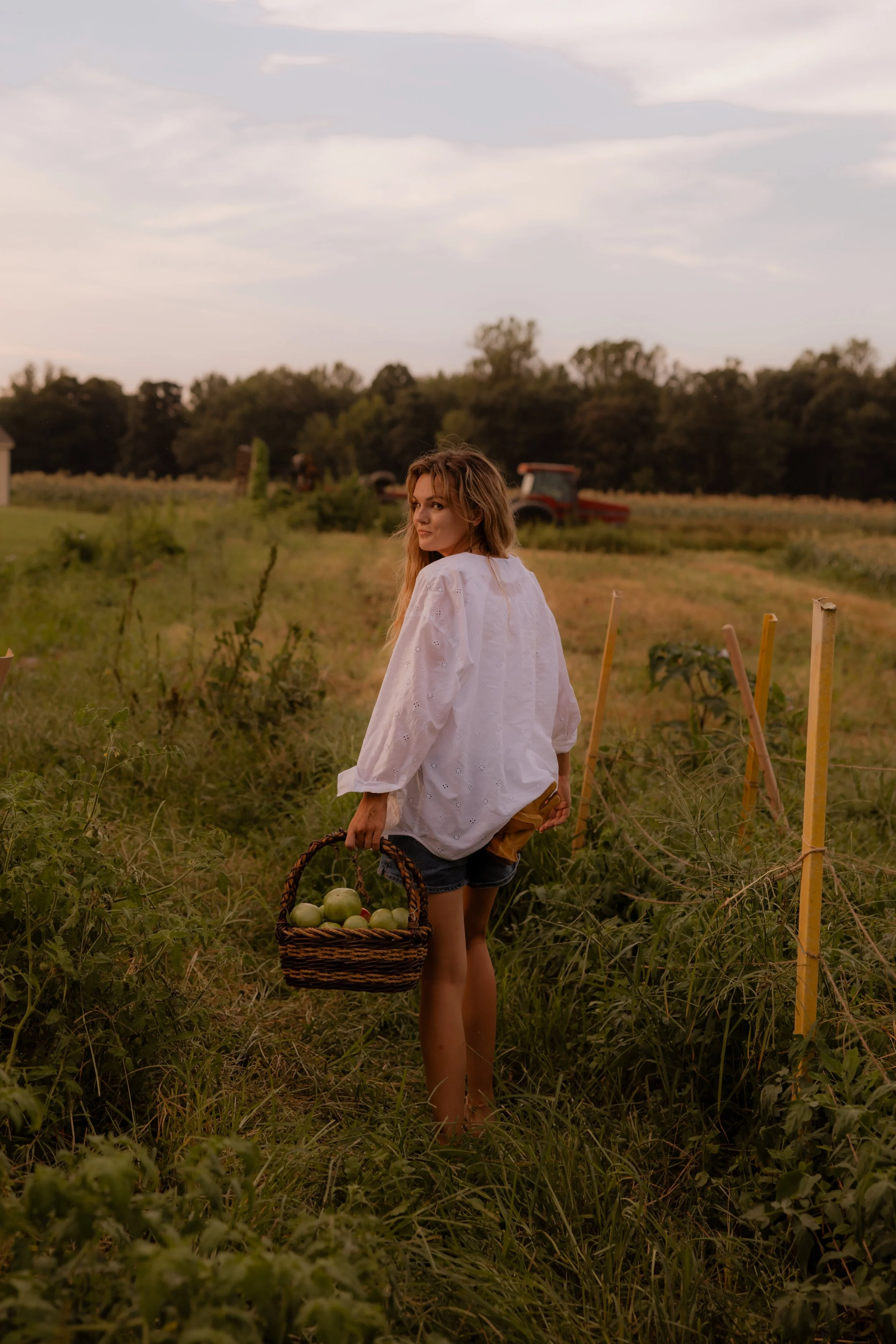
Here's the sentence I say more than any other, at the stand, at the market, in my DMs: "I don't grow that, but I know who does."
Beef. Honey. Milk. Flowers for a wedding. A whole hog for somebody's freezer. None of it is on our stand, but I almost always know a farm ten minutes down the road that has it. For years the system for sharing that was my memory, plus a text message with a half-remembered cross street. That system works right up until I'm too busy to answer my phone, which on a farm is May through October.
So we went looking for the map that should already exist
It doesn't. What exists is a pile of things that used to be that map.
Here's what turned up this month, just from checking:
Search for a farmers market directory for St. Mary's County, and the top result is a state PDF from 2016.
Search for farm stands in Charles County, and a real estate agent's blog post is on the first page. Nothing against her. She just shouldn't be the best we've got.
One county tourism page lists six farm stands. For the whole county.
A state listing still describes one farm as a nursery growing mums and Leyland cypress. That farm now runs a fall harvest festival with hayrides and a pumpkin patch, and raises its own beef and pork.
Another farm announced in 2013 that it was done growing strawberries. A county guide still listed it for strawberry picking ten years later.
The big federal directories let farms sign themselves up, and that's the end of it. No required update, no expiration date. A listing from years ago looks exactly like one from last week.
Nobody did anything wrong here. These lists were made by busy people, and it's nobody's job to go back and check. That's the whole problem. Farms change every season, and a farm list nobody checks goes bad faster than a tomato on a dashboard.
And now the ai slop machines are doing it (ew, ew, ew)
The newest farm directories are built by software. A program scoops up those same old government lists, pours them into a template and prints a page for every farm: same title, same layout, same everything. Some of them say "verified." Dig in, and verified might just mean the listing matched some government database. Not that anybody drove there. Not that anybody called.
So now it's the same stale information, just shinier, and copied across a hundred websites. Ask an AI chatbot where to buy local beef, and it's reading those same pages back to you with total confidence.
These are our friends and neighbors. The farms we trade with, the families we see at market every Sunday, the people who taught us half of what we know. We're not going to let a bot tell you whether they're open.
So we built one where people do the checking
The farm map is a free, searchable map of farms, farm stands, farm stores, farmers markets, and the local businesses that back farmers up. It starts here in Charles County and Southern Maryland and grows from there.
What makes it different is that people keep it true:
A person approves every listing. Nothing goes on the map until I've looked at it myself.
Every listing shows when it was last confirmed, and by who. The Freshness check line gives the date and tells you whether the confirmation came from the farm itself, a neighbor who was just there, or us. A date only goes on when a real person confirms it. No "verified" stamps that quietly renew themselves.
The farms keep their own listings honest. Every listed farm gets a check-in about once a year with one-tap buttons: still open, update my info, pause for the season, or remove me. (Rolling out now.)
Neighbors fill in the gaps. You stop at these stands more often than we do. When you've been somewhere and it was open, you'll be able to tell us. (Rolling out now.) A neighbor can confirm a place is open, never closed, because it should take more than one grumpy competitor to knock a family off the map.
Real photos of real places. Any photo on the map was taken at that place. No stock, no AI.
It's collaborative on purpose. Johnny and I can't drive up every driveway in Southern Maryland. But between the farms, the neighbors who shop there and us, the map knows more than any one of us does, and every date on it comes from a person, not a program.
The rules, so nobody has to wonder
Free forever. It never costs a farm anything to be listed, updated, paused or removed. There's no upgrade tier, because there's nothing to upgrade to.
The recommendations cannot be bought. Nobody pays to get on the map, and nobody pays to move up it.
It's not a review site. No stars, no ratings, no "best of." It's a map, not a judge. When a listing belongs to family or a friend, it carries a label that says so. That's a disclosure, not a gold star.
No payment information, ever. A map that tells the whole internet how every stand takes payment would be a map for thieves.
Our own stand is on it, on the same terms as everyone else. It has a little red tractor so you always know which one is ours, and it doesn't get a better spot.
Why should you help me??
Because farming is our full-time job, and these are our people. When somebody asks where to get beef around here, I want the answer to be a link that's right, not a text that's probably right.
Come look, and tell us what's missing. Search the farm map by town. If you know a farm, stand, market or farm-friendly business that isn't on it yet, tell us about it. It takes about two minutes, and listing is always free. And when you stop by a farm that's on the map, let us know what you saw. That's the whole machine.
Related: I Built a Farm Shop Database, But I Need Your Help · Find a farmer near you · Find a farmers market