Do We Spray?
People ask us "do you spray?" more than almost anything else, usually in the tone you'd use to ask if we've ever been arrested.
So here's the honest answer: yes, sometimes.
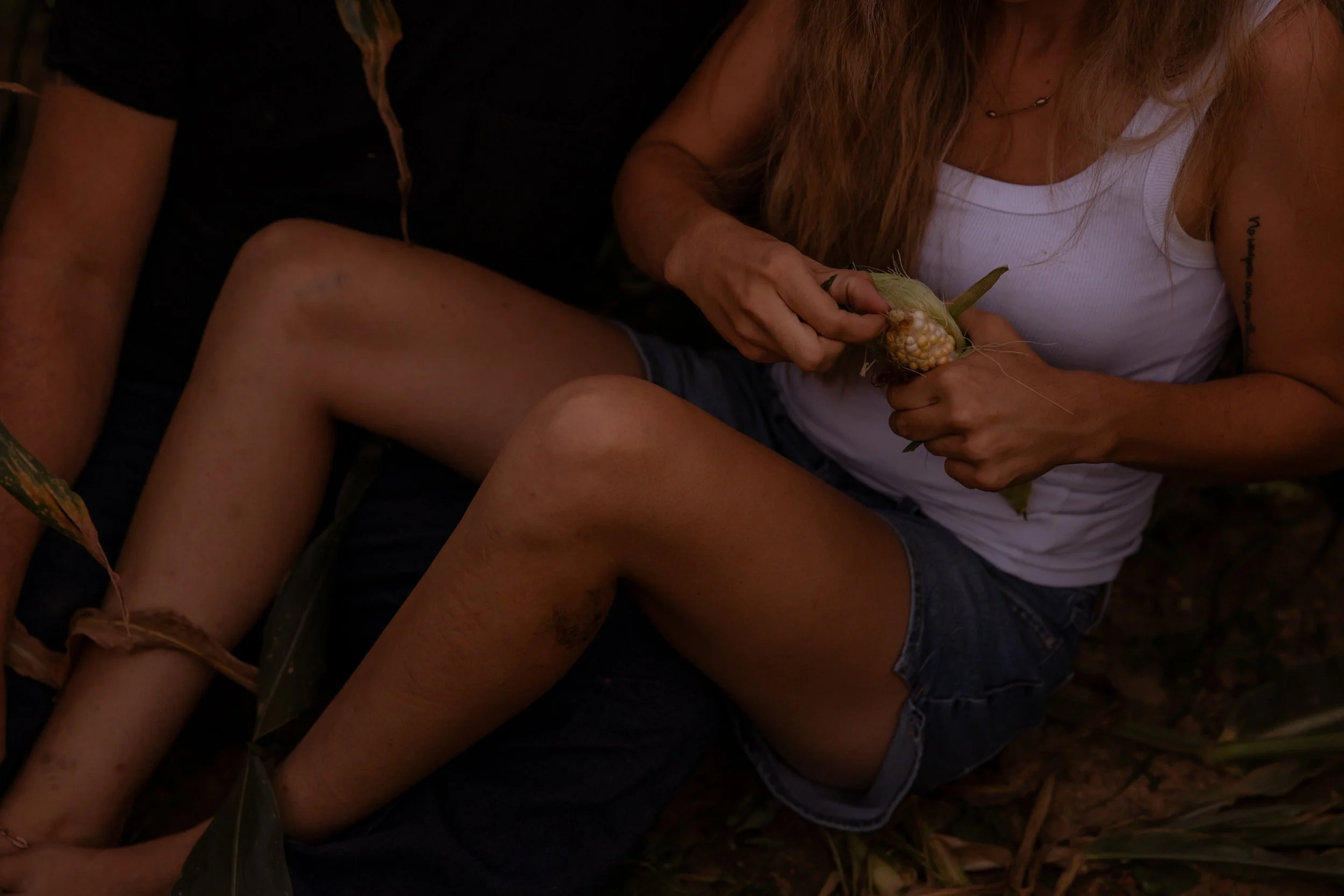
Most of the time it’s easier to leave all the garden critters be. Most of them are very beneficial to either what we’re growing, or the soil, or the overall ecology of our garden area.
So, when do we “spray”?
Rarely, carefully, and never quietly.
We're not certified organic.
We are a family feeding our community, and "the safest way possible" is the rule every decision on this farm has to pass.
Sometimes the safest way possible still includes a meticulously chosen chemical solution.
We don’t like it and it’s simple why: Our customers don’t like it.
Everything we do before anything goes in a sprayer
Most pest and disease problems are cheaper, easier and safer to prevent than to fix. So we do all of it:
Crop rotation, so pests and diseases don't get a cozy permanent address.
Row covers, to physically keep bugs off young plants.
Hand-picking, which is exactly as glamorous as it sounds.
Sanitized tools, because diseases hitch rides on pruners and hoes.
Watching the plants every day, so we catch problems while they're small.
There's a name for this approach in the farming world: integrated pest management. You identify the actual problem, watch it, decide what "too much damage" means before you're in a panic, try the gentlest fix first, and keep records. We didn't invent it. We just take it seriously.
When we use neem
On crops that are prone to rot and disease, like tomatoes and peppers, we use neem oil when we have to. Neem is pressed from the seeds of the neem tree, and it's one of the gentlest tools there is. It's still a tool we reach for on purpose, not on a schedule.
The bug that changes the math
Squash vine borers. If you've grown squash, you just flinched.
They're moth larvae that tunnel into squash stems and kill the plant from the inside, often before you see anything wrong. On a farm our size, they can take out thousands and thousands of dollars in produce. That's a whole season of squash, zucchini and the customers counting on it.
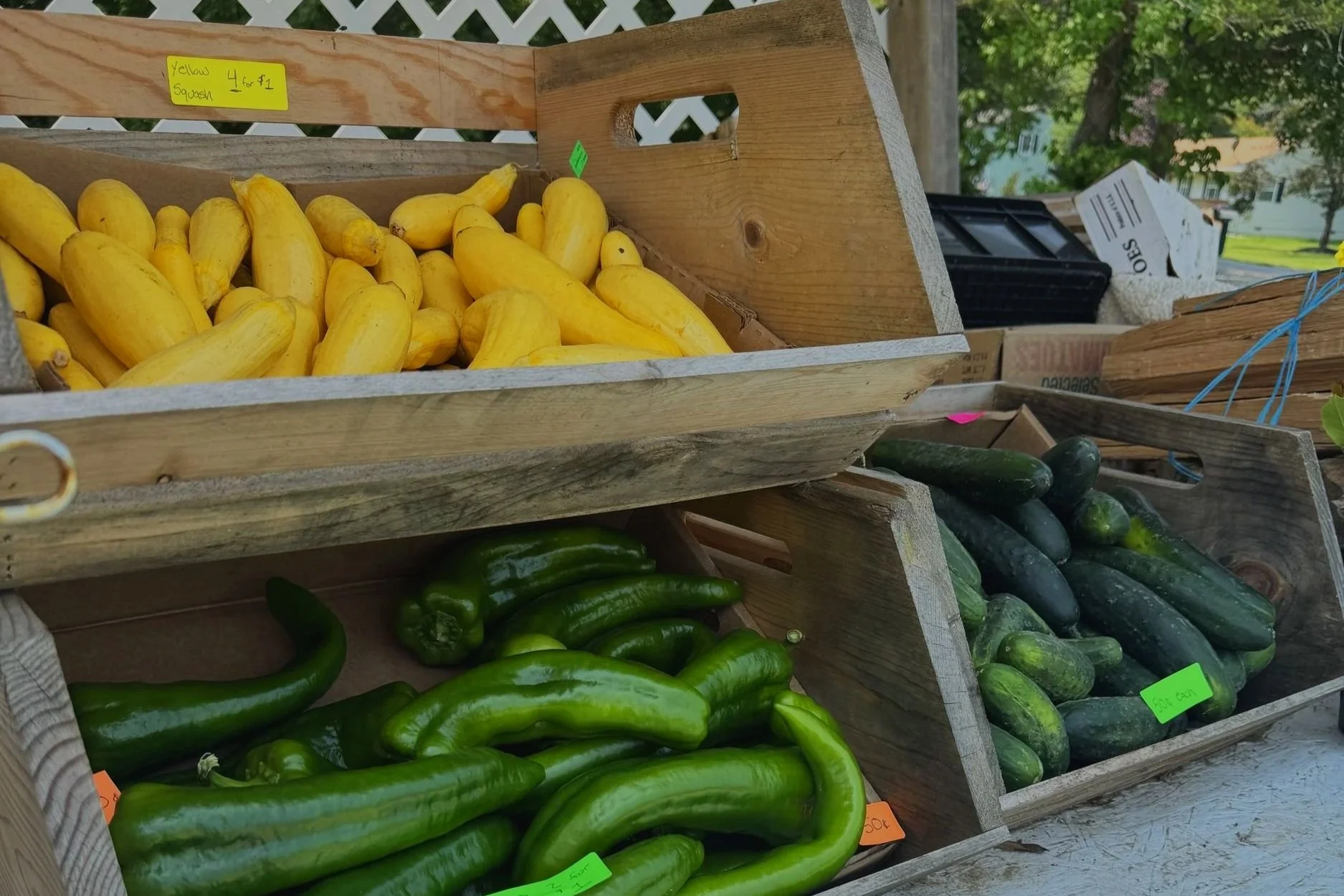
That's the kind of situation where we'll consider conventional methods. Not the first sign of a bug. Here's the bar a crop has to clear:
Most of the crop is affected. We're talking the vast majority of it showing disease, pest damage, or signs the fruit won't grow to a quality we'd put on the stand.
It's a crop we truly can't do without, both for the farm to stay afloat and because it's what our customers count on.
We can't source it instead from a fellow grower we trust, one whose standards match ours or beat them.
If all three are true, and every gentler option has been considered and usually already tried, then we treat.
Who makes the call
Johnny does, and he's the right person to. He's a certified nutrient management plan writer, and he's certified by the State of Maryland as a pesticide applicator. Most of what that certification covers would never come anywhere near vegetable growing, but it means he's trained in exactly how and when these products can be used safely. The core training manual he studied is public, if you want to read it yourself: the National Pesticide Applicator Certification Core Manual, published with the U.S. EPA.
And he doesn't make those calls alone. We lean on University of Maryland Extension, especially our extension agent, Hayden Schug, the Agriculture and Food Systems Extension Educator at the Charles County Extension office right here in Bel Alton. His work covers fruit and vegetable production and integrated pest management. When something shows up in the field that we can't pin down, Extension is one of our first calls.
Before anything is applied, he's done the assessment and the testing and worked through the alternatives. When something is applied:
It's done carefully and exactly, following the product label. A pesticide label isn't a suggestion. Under federal law, using a product any way other than its label directs is a violation.
It never touches the edible part of the plant.
We use products that break down or wash away with our irrigation and the time between treatment and harvest.
You can always ask
This is the part that matters most to us. If something was treated, we will happily tell you exactly what it was, when it was applied, how much, and how we did it. We'll also tell you what we left untreated on purpose.
Ask us at the stand, at the market, or through our contact page. No question is too specific. We'd honestly rather you ask than wonder.
And one rule for everybody, no matter who grew it: always wash your produce before you eat it raw. Ours usually goes from the field to you with just a rinse, so give it a good wash at home.
Related: Frequently asked questions · Our Story